FDA Clears a New Sterilization Tray System: What It Means for Sterile Processing Work
The FDA cleared Mastel Surgical's SteriBest sterilization tray system. Here is what that means for the people who prepare surgical instruments.
Introduction
The FDA has cleared Mastel Surgical's SteriBest Sterilization Tray System, according to a report from Medical Product Outsourcing. If you have never worked in a hospital, this may sound distant. But sterilization trays are what sterile processing technicians handle every day. A clearance like this is a good window into how the job works and why it follows so many rules.
What's Happening
The news item is short. It reports that the FDA cleared Mastel Surgical's SteriBest Sterilization Tray System. The summary we have does not include details about the design, materials, or the instructions that come with it, so we will not guess at them. Anyone who wants specifics should read the original report and the manufacturer's published materials.
What we can explain is the general background. A sterilization tray, sometimes called a case or container, holds surgical instruments while they go through sterilization. Sterilization is the process that destroys all microorganisms on an instrument, usually with steam in a machine called an autoclave. The tray keeps the instruments organized during that process and protects them afterward until they are used in surgery.
In the United States, the FDA regulates these products as medical devices. "Clearance" generally means the agency reviewed the manufacturer's submission and found the device comparable to one already legally on the market. It is not the same as a promise that a product suits every instrument set or every hospital.
Why This Matters for Sterile Processing Professionals
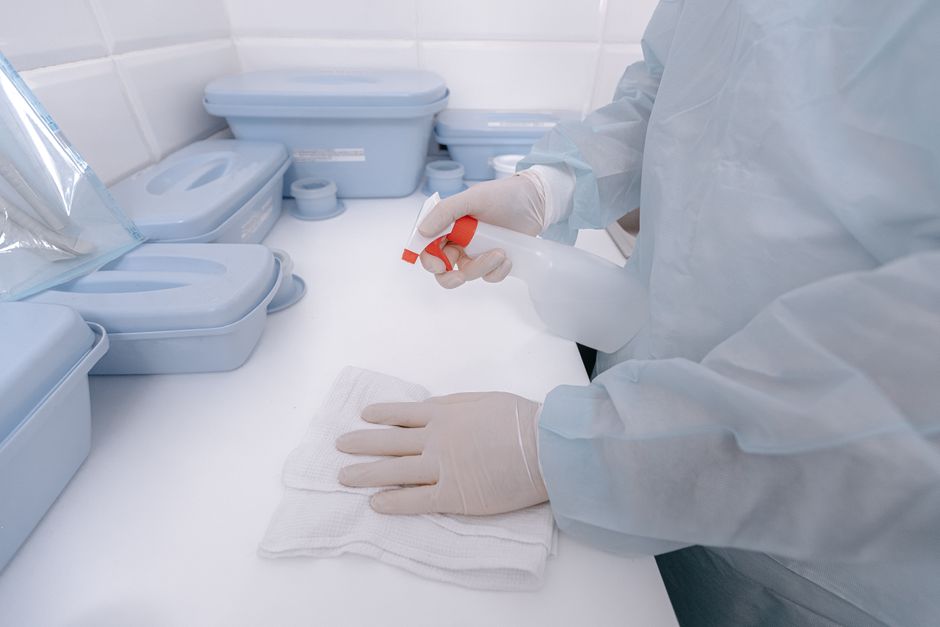
Sterile processing departments, often called SPD, are the hospital areas where used surgical instruments are cleaned, inspected, assembled into trays, sterilized, and stored. The work is called reprocessing. When a new tray system reaches the market, it eventually lands on a technician's workbench.
That is where the practical questions begin. How are instruments arranged in the tray? How much can it hold? Which sterilization methods is it validated for? How long does the load need to dry? The answers come from the manufacturer's IFU, short for instructions for use. The IFU is the written set of steps the maker has tested and the FDA has seen. Technicians follow it exactly, even when a different shortcut seems faster.
There is a patient safety reason for this. A tray that is overloaded, packed wrong, or run through the wrong cycle can leave instruments wet or not fully sterile. Problems like that can contribute to surgical site infections. A cleared device only protects patients when the person using it follows the validated process.
There is also a career lesson here. Technicians are not just moving metal around. They are applying regulated procedures to regulated devices, and employers pay attention to people who understand that.
What SPTs Should Know or Do
- Read the IFU before using any new tray or container. Do not assume it works like the one you used last month.
- Check with your department leadership before changing a process. New equipment usually needs staff training and a facility review first.
- Pack trays to the validated limits. Weight, layout, and instrument type can all affect whether sterilization works.
- Document what you do. Records of loads, cycles, and tray contents help trace problems if something goes wrong.
- Keep learning. Equipment and standards change, and certified technicians are expected to stay current.
The Bottom Line
One FDA clearance may seem like minor industry news, but it points to a larger truth about sterile processing: the job depends on devices, instructions, and standards that technicians must understand. We do not have details on how SteriBest differs from other systems, so the right move is to read the manufacturer's IFU and your facility's policies when it appears in your workplace. Compliance is a daily habit, and certification is one way to show you have built it.
Advance Your SPT Career
If you are exploring a move into healthcare without a clinical background, sterile processing is a reachable starting point. Sevy SPD's 9-week program, which includes a free Orientation Week plus 8 weeks of coursework, prepares you for the CRCST (HSPA) and CSPDT (CBSPD) certification exams. You can attend in person in Chicago at the Chicago Urban League Empowerment Center, join live on Zoom, or study fully self-paced. More than 2,600 people have graduated, and our course completion certificate satisfies the education requirement to sit for both exams. Learn more at sevyspd.com.
Topics:
Sources
For more information or to validate the content above, see the original source:
FDA Clears Mastel Surgical’s SteriBest Sterilization Tray System - Medical Product OutsourcingReady to Advance Your SPT Career?
Join 2,643+ graduates who prepared for their CRCST and CSPDT certifications with Sevy SPD.
Start Your Training Today →