How Long Is Sterile Processing Training? A Realistic Timeline
Coursework takes about 9 weeks. Add 400 clinical hours and exam prep, and most people are certified and job-ready in 3 to 6 months.
Most people finish sterile processing coursework in about 9 weeks — a free orientation week plus 8 weeks of classes. After that, you still need 400 hours of hands-on clinical experience and a passing score on the CRCST or CSPDT exam before you're fully certified. Depending on how fast you move through the clinical hours, you could be working in a hospital sterile processing department, also called SPD, in roughly 3 to 6 months from your first day of class.
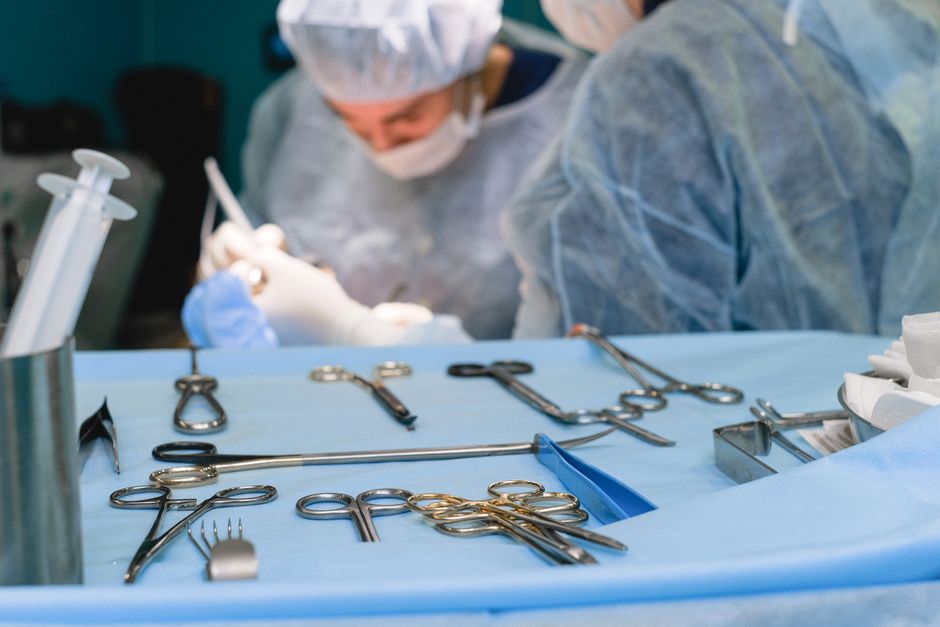
Sterile processing is the department in a hospital or surgery center where used surgical instruments get cleaned, inspected, and sterilized before they're used on the next patient. If you've never heard the term before this search, that's normal — it's one of healthcare's most invisible jobs, and also one of the fastest to train into.
Quick answer
- Coursework: 9 weeks total — 1 free orientation week plus 8 weeks of classes
- Clinical hours: 400 hands-on hours, required by HSPA (the organization that administers the CRCST exam), completed before or within 6 months after passing the exam
- Certification exam: CRCST or CSPDT, scheduled once coursework is done
- Total time to certified and job-ready: roughly 3 to 6 months, depending on how quickly you line up clinical hours
- Format: in-person in Chicago, live on Zoom, or fully self-paced — self-paced can move faster or slower depending on your own schedule
How long does the coursework take?
The classroom portion takes 9 weeks: a free orientation week to get oriented to the material and the exam, followed by 8 weeks of coursework covering everything on the CRCST and CSPDT exams. That includes decontamination (removing blood, tissue, and other bioburden from used instruments before they can be sterilized), the Spaulding classification (a system that sorts medical devices into critical, semi-critical, and noncritical categories based on infection risk), how autoclaves (steam sterilizers) work, and how to read an IFU (a manufacturer's instructions for use — the document that tells you exactly how a specific instrument or device must be cleaned and sterilized).
You can see the full breakdown of what's covered week by week on our course overview. Classes run in person at the Chicago Urban League Empowerment Center, live on Zoom, or fully self-paced, and the format you pick changes how the 9 weeks actually feel day to day — check the class schedule to see which one fits your current job or family schedule.
What happens during those 8 weeks?
Each week builds on the last, moving from basic terminology to full workflow: decontamination, instrument identification, sterilization methods, case cart assembly, and inventory management. By the end, you're prepared for both the knowledge test and the practical realities of working the floor — the heat near the autoclaves, standing for most of a shift, and the pace of turning around trays between surgeries.
The coursework is the same whether you attend live in Chicago, join over Zoom, or move through it self-paced. What changes is flexibility: self-paced students can compress the material into less than 9 weeks if they have the time, or stretch it out around a current job if they don't.
What are the 400 clinical hours, and when do you do them?
HSPA requires 400 hours of hands-on experience in a sterile processing department before your CRCST certification is complete. You can log these hours either before you take the exam, through a hospital job or externship, or afterward, within 6 months of passing.
This is the part of the timeline most people underestimate. Coursework has a fixed length — 9 weeks — but clinical hours depend on how quickly you can get into a department. Some students land an entry-level SPD job or externship placement within weeks of finishing class; others take longer if hiring in their area is slow. Sevy SPD reports an 85% job placement rate among graduates, which reflects how much this step matters to the overall timeline — it's usually the biggest variable in how fast someone actually finishes.
Working 40 hours a week, 400 hours takes about 10 weeks to complete. Part-time or split shifts stretch that out further. This is why the honest answer to "how long does this take" is a range, not a single number — the classroom part is fixed, the clinical part depends on your local job market and your own availability.
How soon can you take the certification exam?
You can schedule the CRCST or CSPDT exam as soon as you finish your 8 weeks of coursework — there's no waiting period built in beyond that. Both exams are administered at approved testing centers, and you'll typically know your pass/fail result the same day.
Sevy SPD reports a 91% first-time pass rate among graduates, which reflects how closely the coursework is built around what's actually tested. Passing the exam and completing the 400 clinical hours are two separate requirements — you need both to hold full CRCST certification, but the order you complete them in is up to you.
How soon could you actually be earning a paycheck?
The fastest realistic path looks like this: 9 weeks of coursework, then landing an entry-level SPD position or externship within a few weeks of finishing, then working toward your 400 hours while already being paid. In that scenario, you could be earning within 2 to 3 months of starting class, even before you've finished all 400 hours or sat for the exam — many departments hire technicians who are actively working toward certification.
A slower but still realistic path — coursework, then a longer job search, then 400 hours worked part-time — puts you closer to 5 to 6 months from day one to fully certified and employed. Either way, the certificate of course completion from Sevy SPD satisfies the education requirement to sit for the CRCST and CSPDT exams, so nothing about the training itself holds up the process once you're hired.
How does this compare to other training options?
| Path | Typical length | What you get |
|---|---|---|
| Sevy SPD (9-week course) | 9 weeks coursework + 400 clinical hours | Exam prep for CRCST/CSPDT, certificate satisfying the exam's education requirement, job placement support |
| Community college certificate program | Often one to two full semesters, per typical program listings | Similar exam prep, spread across a longer academic calendar |
| On-the-job training only, no formal course | Varies widely, often 6 months or more | Practical experience but no structured exam prep, higher risk of failing the exam on the first attempt |
| Self-study for the exam alone | Varies, self-directed | Lowest cost upfront, but no instructor, no cohort, and no built-in path to the 400 clinical hours |
The main tradeoff is time versus structure. A 9-week course compresses the classroom learning into a shorter window than a college semester, without skipping the material the exam actually covers.
What does the training cost, and does price affect the timeline?
Cost is a fair question when you're comparing a 9-week course to a full college semester — a shorter timeline usually means fewer weeks of tuition, fewer months of lost income if you're not working, or less time paying for both a class and clinical hours at once. Current tuition, payment plan options, and any available discounts are listed on our pricing page, since those details change and it's worth checking the current numbers directly rather than relying on a general estimate here.
When you're comparing programs, ask each one two direct questions: how many weeks is the coursework, and how do they help you get the 400 clinical hours afterward. Some programs are strong on one and weak on the other, and that gap is often where your actual timeline gets longer than advertised.
Ready to start?
If the 9-week timeline works for your schedule, the next step is picking a format — in person in Chicago, live on Zoom, or self-paced — on the class schedule page. From there, the course overview walks through exactly what each of the 8 weeks covers, so you know what you're signing up for before you commit.
Topics:
Ready to Advance Your SPT Career?
Join 2,639+ graduates who prepared for their CRCST and CSPDT certifications with Sevy SPD.
Start Your Training Today →