How to Become a Sterile Processing Technician
Become a sterile processing technician in about 2-4 months by completing training, passing a certification exam, and applying to hospitals or surgery centers.
You become a sterile processing technician by completing a training program (usually a few weeks to a few months), passing a national certification exam like the CRCST or CSPDT, and applying to hospitals, surgery centers, or dental offices that clean, inspect, and sterilize surgical instruments. Most programs don't require a college degree, and many people enter the field straight from retail, food service, or caregiving jobs with no healthcare background at all.
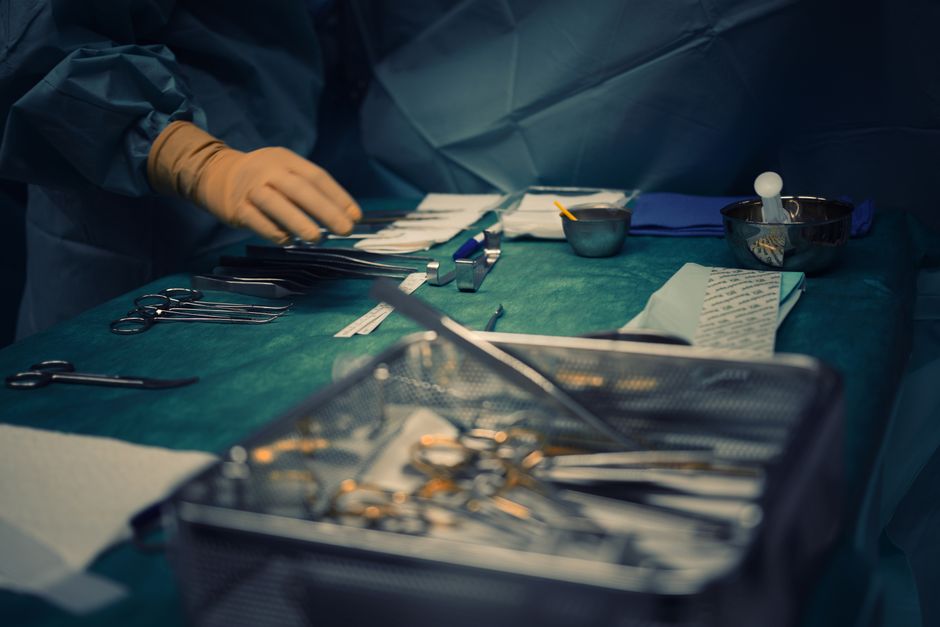
A sterile processing technician (often abbreviated SPT) works in the part of a hospital or clinic most patients never see: the sterile processing department, or SPD. Your job is to take used surgical instruments — scalpels, forceps, scopes, entire surgical trays — and clean, inspect, package, and sterilize them so they're safe to use on the next patient. It's detail-focused, hands-on work, and it's in demand because every hospital, surgery center, and dental office that performs procedures needs this done correctly, every single day.
Quick answer
- Education needed: High school diploma or GED. No college degree required.
- Training time: Typically 4-12 weeks depending on the program, plus study time for the certification exam.
- Certification required: Most employers require or strongly prefer CRCST (through HSPA) or CSPDT (through CBSPD) within your first months on the job.
- Total timeline: Many people go from zero experience to a job offer in about 2-4 months.
- First job titles to expect: Sterile Processing Technician I, SPD Tech, Central Sterile Tech, or Instrument Tech.
What does a sterile processing technician actually do?
You clean, inspect, assemble, and sterilize medical instruments so they're safe for the next surgery or procedure. The work happens in three connected areas of the department: decontamination (where dirty instruments arrive and get scrubbed and disinfected), the clean/prep and pack area (where you inspect each instrument under magnification and assemble trays according to a checklist), and sterilization (where trays go through equipment like an autoclave, a machine that uses pressurized steam to kill bacteria, viruses, and spores).
Every step follows a manufacturer's instructions for use (IFU) — the specific cleaning and sterilizing steps required for that exact instrument or scope — plus a framework called the Spaulding classification, which sorts medical devices into categories (critical, semi-critical, non-critical) based on infection risk, so you know exactly how thoroughly each item needs to be processed. None of this requires a nursing or medical background. It requires attention to detail, comfort following strict procedures, and a willingness to learn.
Do I need a degree or prior healthcare experience?
No. You need a high school diploma or GED, and most training programs assume zero healthcare background. This is one of the few clinical-adjacent hospital roles you can enter without a nursing degree, an EMT license, or a medical assistant certificate.
What actually matters to employers is whether you can follow detailed written procedures exactly, stay focused on repetitive tasks for a full shift, and pass a background check (standard for anyone working in a hospital). If you've worked in a warehouse following pick lists, in a kitchen following recipes and health codes, or in caregiving following care plans, you already have the core skill this job runs on: doing the same precise steps the same way, every time.
What training do I need?
You need a course that teaches the full sterilization process and prepares you for a national certification exam. Training length varies by program — some run a few intensive weeks, others spread over two to three months to allow for part-time schedules. Look for a program that covers decontamination, instrument identification, sterilization equipment, infection control, and exam prep, not just a general overview.
Our 9-week course includes a free orientation week followed by eight weeks of coursework, and is offered in person in Chicago, live on Zoom, or fully self-paced, so you can fit it around a current job. The goal of any good program is the same: walk out ready to pass your certification exam and start applying for jobs immediately.
What certification do I need, and how do I get it?
You need either the CRCST (Certified Registered Central Service Technician), issued by HSPA (the Healthcare Sterile Processing Association), or the CSPDT (Certified Sterile Processing and Distribution Technician), issued by CBSPD. Most employers accept either one, though some job postings specify a preference.
Both certifications require you to pass a proctored exam covering decontamination, sterilization methods, instrument handling, and safety standards. To sit for the exam, you typically need to complete a set number of education hours (sometimes with hands-on or clinical hours as well, depending on the certifying body's current requirements) — this is where a structured training program matters, since it's built to satisfy that education requirement. Our breakdown of sterile processing certifications walks through the differences between CRCST and CSPDT in more detail if you want to compare them before choosing a path.
How long does the whole process take?
Most people move from zero experience to job-ready in about two to four months. Here's a realistic breakdown:
| Step | Typical time |
|---|---|
| Complete a training program | 4-9 weeks |
| Study and sit for CRCST or CSPDT exam | 1-3 weeks |
| Apply and interview for entry-level jobs | 2-6 weeks |
| Total | ~2-4 months |
Timelines shift depending on whether you study full-time or part-time around a current job, and how quickly local employers are hiring. Some people land an offer before they even finish studying, since many hospitals hire candidates who are actively pursuing certification and give them a short window to pass the exam after starting.
What does the job pay, and is it hard to find work?
Pay varies by city, shift, and facility type, but entry-level sterile processing roles are generally considered a solid, stable starting point in healthcare compared to other jobs that don't require a degree. Posted salaries in the Chicago area typically fall in a range you can compare directly on job boards like Indeed or a hospital system's own careers page — search "sterile processing technician" plus your city to see current local postings rather than relying on national averages, which can be misleading.
Demand tends to be steady because every hospital, ambulatory surgery center, and dental practice that does procedures needs this work done, and it can't be outsourced or automated away. That said, availability of openings still depends on your local market, so it's worth checking current listings in your area before assuming a guaranteed job waiting on the other side of certification.
What's the work environment actually like?
Expect to be on your feet for most of a 8-12 hour shift, often in a warm, humid decontamination area where you're wearing a face shield, gown, and heavy-duty gloves while scrubbing instruments under running water. Many departments run three shifts to cover surgeries around the clock, so early mornings, nights, and weekend rotations are common, especially in your first job.
The work is repetitive by design — that's what keeps patients safe — and it can be physically tiring in a way that's different from customer-facing retail or food service work: less walking around, more standing in one spot doing precise, careful tasks. If you've worked a fast-paced kitchen line or a warehouse shift, the pace and physical demand will feel familiar even though the tasks are completely different.
What will my first job actually look like?
You'll likely start as a Sterile Processing Technician I or SPD Tech, working under a lead tech or supervisor while you build speed and accuracy. Early weeks usually involve decontamination duty (the physically toughest but most straightforward station) before you rotate into assembling trays and running sterilization equipment.
Most departments pair new hires with an experienced tech for the first several weeks, and many require you to complete or finish your CRCST/CSPDT certification within a set window after hire, often 6-12 months, if you haven't already. This is normal and expected — employers know new techs are still building speed, and the job is structured to bring you up to full competency over your first few months.
Ready to start?
If this sounds like a path worth pursuing, the fastest way to find out is to look at what a real training program covers and what it costs. You can review our course overview to see the full curriculum, or check current pricing and payment options to see what fits your budget. From there, the next real step is simple: enroll, finish the coursework, and sit for your certification exam.
Topics:
Ready to Advance Your SPT Career?
Join 2,639+ graduates who prepared for their CRCST and CSPDT certifications with Sevy SPD.
Start Your Training Today →