Is Sterile Processing a Good Career? An Honest Look
Sterile processing offers steady demand and short training, but the work is physical and often behind the scenes. Here's the honest breakdown.
Sterile processing is a solid career choice if you want a fast entry into healthcare without years of school, don't mind physical work in hot, humid rooms, and are okay working behind the scenes instead of with patients. It's not a good fit if you need a fully sedentary job or can't work rotating shifts, since many hospitals run this department around the clock.
Sterile processing technicians (often called SPTs) clean, inspect, and sterilize the surgical instruments hospitals reuse — scalpels, scissors, complex scopes — so they're safe for the next patient. If you've never heard the term before, that's normal. Most people haven't, even though almost every hospital and surgery center depends on this department every single day.
Quick answer
- Training time: Weeks, not years — no nursing degree or prior healthcare experience required
- Physical demands: Standing for full shifts, lifting trays of instruments, working in a hot decontamination room
- Schedule: Often includes evenings, weekends, or overnight rotations, since surgeries happen around the clock
- Job security: Every hospital and surgery center needs this department; it can't be automated or outsourced
- Growth path: Clear ladder from tech to lead to supervisor to management, without needing a new degree at each step
What does a sterile processing technician actually do?
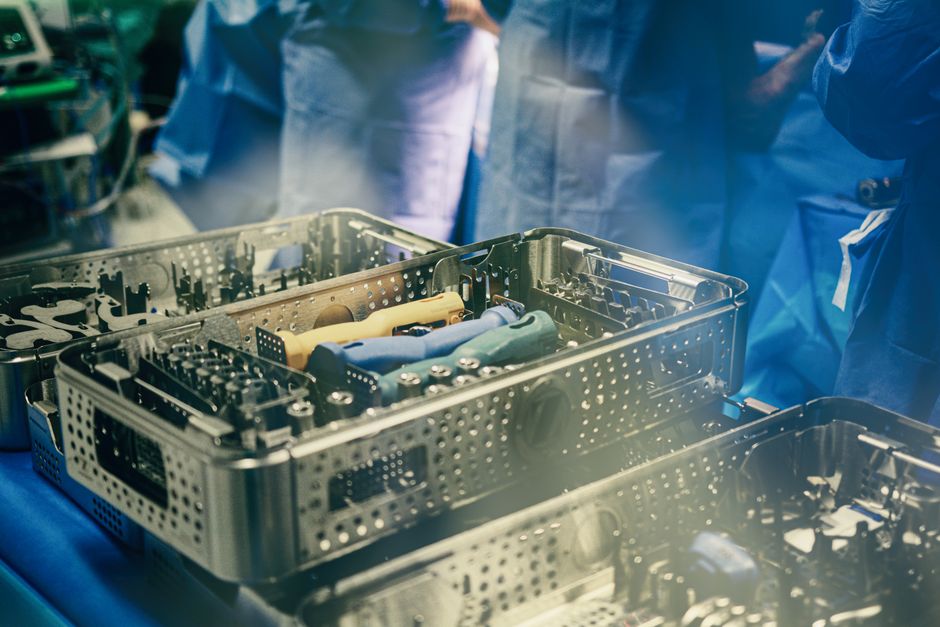
You take used surgical instruments and make them safe to use again on the next patient. The job happens in three connected rooms: decontamination, where instruments are scrubbed and disinfected; prep and pack, where they're inspected under magnification and assembled into trays; and sterilization, where trays go through equipment like an autoclave (a machine that uses pressurized steam to kill bacteria and viruses).
Every step follows a written procedure called an IFU — the manufacturer's Instructions For Use — which tells you exactly how to clean and sterilize a specific instrument. You're not guessing or using judgment calls here; you're following documented steps and checking your work, which is part of why hospitals can trust the process.
You won't be in the operating room with patients, and you generally won't see blood or trauma up close the way a nurse or surgical tech does. Your job is upstream of that — making sure the tools are ready before anyone touches a patient.
What's the hard part of this job?
The physical demands are real, and any honest source will tell you that upfront. The decontamination room runs hot and humid because of the sinks and washing equipment, and you'll be in personal protective equipment — gown, gloves, face shield — while you work. You're on your feet for the length of your shift, and lifting trays of instruments (some heavier than they look) is a regular part of the day.
Shift work is the other tradeoff. Because surgeries and emergencies happen at all hours, sterile processing departments often run three shifts. Entry-level techs frequently start on evening or overnight shifts before moving to a preferred schedule as they gain seniority. If you need a strict 9-to-5, this may not be the right fit — at least not right away.
The work can also feel repetitive. You'll process similar instrument sets many times a day, and the job rewards people who are comfortable with routine, detail, and following procedure exactly rather than improvising.
How long does it take to get trained?
Most people can complete the required coursework in a matter of weeks. Our 9-week course — a free orientation week plus 8 weeks of classes — is built around this exact timeline, whether you attend in person in Chicago, live on Zoom, or fully self-paced. That's a short runway compared to most healthcare roles, many of which require a two- or four-year degree before you can even apply for an entry-level job.
The coursework prepares you to sit for the two main industry certification exams: the CRCST, offered by HSPA (the Healthcare Sterile Processing Association), and the CSPDT, offered by CBSPD. Most employers expect one of these certifications, either before you're hired or within a set window after you start.
Do I need a degree or experience to get started?
No. This is one of the few healthcare roles where a high school diploma or GED, plus the right training and certification, is enough to apply for entry-level positions. You don't need prior medical experience, and many people who succeed in this field are coming from retail, food service, warehouse work, or caregiving — fields where they already learned to work fast, follow procedures, and stay on their feet for a full shift.
What you do need is comfort with detail-oriented, procedure-driven work, plus the ability to pass a background check and physical requirements common to hospital jobs (lifting, standing, sometimes wearing PPE for extended periods).
Is there real demand for this job?
Yes — every hospital, surgery center, and dental surgical practice needs a sterile processing department, and that department can't be automated or moved overseas. As long as surgeries happen, someone has to clean and sterilize the instruments used in them.
Job postings for sterile processing technicians show up consistently in most metro areas, including Chicago, across hospital systems, outpatient surgery centers, and dental groups. You can see the range of current openings on our jobs page to get a feel for what employers are actually hiring for right now — job titles, shift types, and requirements.
Can you move up from here?
Yes, and this is one of the strongest arguments for the career. A typical path looks like: sterile processing technician, then lead technician, then supervisor, then manager or director of sterile processing — sometimes overseeing multiple hospital sites. Each step usually comes with more pay and more responsibility, and unlike many healthcare paths, you don't need to go back to school for a new degree to climb this ladder. Additional certifications (in areas like endoscope reprocessing or instrument tracking systems) can speed up promotion, but they're add-ons to your existing base, not a return to square one.
What does it pay?
Pay varies by city, employer type, and experience level, so treat any specific number with caution. Posted salaries for entry-level sterile processing technicians in most metro job markets, including Chicago, typically start in the low-to-mid $30,000s to low $40,000s annually, with leads, supervisors, and managers earning progressively more. Hospitals, which often offer benefits and shift differentials for evening or overnight work, tend to post higher ranges than smaller outpatient clinics.
The honest way to check current numbers is to search job boards for "sterile processing technician" in your specific metro area, since ranges shift over time and by region.
Is sterile processing right for you?
It's a strong fit if you want a real healthcare career without years of school first, you don't mind physical, hands-on work in a hot room, and you're the type of person who likes clear procedures over open-ended tasks. It's a weaker fit if you need a strictly daytime schedule from day one, or if you specifically want patient-facing work like a nurse or medical assistant.
One useful gut check: read what people who've actually made this switch have to say. Our testimonials page has stories from graduates who came from retail, food service, and other non-healthcare backgrounds, including what surprised them and what the first few months on the job were actually like.
Ready to start?
If the tradeoffs above sound manageable to you — the physical work, the possible shift schedule, the routine — sterile processing is a realistic, fast way into a healthcare career. The next step is simple: look at our 9-week course overview to see exactly what's covered and how the schedule works, whether in-person in Chicago, live on Zoom, or self-paced.
Topics:
Ready to Advance Your SPT Career?
Join 2,634+ graduates who prepared for their CRCST and CSPDT certifications with Sevy SPD.
Start Your Training Today →