A New Sterile Processing Program Is Launching in Iowa: What the Job Is and How to Get Started
NICC in Iowa has launched a sterile processing technician program. Here is what the job involves and how to compare training options.
Introduction
The Decorah Leader reports that NICC has launched a new sterile processing technician program. If you have never heard of the job, a sterile processing technician cleans, inspects, assembles, and sterilizes surgical instruments so they are safe to use on the next patient. A new college program for this role is a sign that the field is a recognized, trainable career.
What's Happening
The headline tells us that NICC, a community college in northeastern Iowa, is now offering a sterile processing technician program. The short summary we have does not include the start date, tuition, program length, or whether it includes hands-on clinical hours. For those details, read the full Decorah Leader article or contact NICC directly.
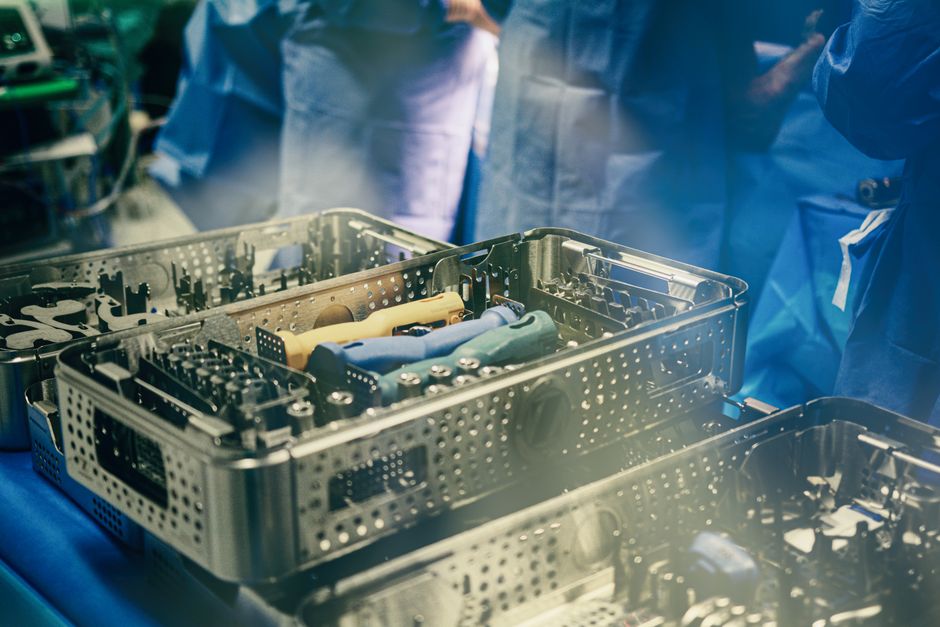
Here is what these programs generally prepare you for. Work happens in a hospital's sterile processing department (SPD), the area where used instruments are reprocessed. Reprocessing means turning a dirty, used instrument into a sterile, ready-to-use one. The main steps are:
- Decontamination: washing away blood and tissue, often by hand first and then in a washer-disinfector.
- Inspection and tray assembly: checking each instrument for damage and arranging it in the correct surgical tray.
- Sterilization: using an autoclave, which is a pressurized steam chamber, or other approved methods.
- Storage and delivery: getting sterile trays to the operating room on time.
Why This Matters for Sterile Processing Professionals
For a career changer, this news shows that training for this work is becoming easier to find in more places, including smaller communities. Not everyone lives near a big-city program, so local options matter.
It also reflects how much surgical care depends on this work. An operating room cannot run without sterile instruments, and a missed step in cleaning or sterilization can put patients at risk of infection. The work is behind the scenes, but it is skilled and taken seriously.
Be realistic about the job itself. You will stand for most of a shift. The decontamination area is warm, and you wear gowns, gloves, masks, and face shields. Many hospitals run SPDs around the clock, so evening, night, weekend, and holiday shifts are common, especially early in your career.
Certification is the other piece. HSPA offers the CRCST credential and CBSPD offers the CSPDT credential. Many employers prefer or require one of them, and requirements vary by state and by hospital. Both exams require completing an approved education component first, and HSPA also requires hands-on experience hours. Always confirm current rules on the HSPA and CBSPD websites.
What SPTs Should Know or Do
If you are considering this career, whether through NICC or another route, use these steps:
- Ask what the program includes. Find out the length, cost, schedule, and whether it covers hands-on practice or helps you find clinical hours.
- Confirm the certification link. Ask whether completing the program qualifies you to sit for the CRCST, the CSPDT, or both.
- Ask about job outcomes. Request placement information and talk to local hospitals about whom they hire.
- Check local job postings. Look at pay ranges, shift schedules, and certification requirements for SPD jobs near you before you commit.
- Visit or talk to someone in the field. If a hospital will let you ask questions of a working technician, take that chance. It is the best way to learn whether you can handle the pace and conditions.
The Bottom Line
NICC's new program is one more sign that sterile processing is a real career with training pathways, not just a job you stumble into. The details of the program are worth reading in the original report. Whatever route you choose, look for training that explains the reasoning behind each step, leads toward certification, and gives you an honest picture of the work, including the physical demands and the shift schedules.
Advance Your SPT Career
If you do not live near a college program, or you want a faster route, Sevy SPD in Chicago has trained 2,600+ graduates for the CRCST and CSPDT exams. Our program runs 9 weeks: a free Orientation Week plus 8 weeks of coursework. You can attend in person at the Chicago Urban League Empowerment Center, live on Zoom, or fully self-paced. Our graduates have a 91% first-time exam pass rate and an 85% job placement rate, and the course completion certificate satisfies the education requirement to sit for both exams. Learn more at sevyspd.com.
Topics:
Sources
For more information or to validate the content above, see the original source:
NICC launches new sterile processing technician program - Decorah LeaderReady to Advance Your SPT Career?
Join 2,645+ graduates who prepared for their CRCST and CSPDT certifications with Sevy SPD.
Start Your Training Today →