Sterile Processing Training Is Growing: What the Job Is and How to Start
A Houston college is training students for sterile processing careers. Here is what the job involves and how to choose a path into it.
Introduction
A Houston news report says Fortis College is preparing students for careers in sterile processing. If you have never heard the term, sterile processing is the hospital job of cleaning and sterilizing surgical instruments so they are safe to use on the next patient. This post explains the work, the tradeoffs, and how to evaluate any training program.
What's Happening
Click2Houston reported that Fortis College is preparing Houston students for careers in sterile processing. The headline is all we have to work with, so we are not going to describe that program's length, cost, or results. If you are considering any school, ask those questions directly.
What the report does show is that sterile processing is being taught as a career path in its own right. That is worth knowing if you are looking for a healthcare job that does not start with a nursing degree.
Why This Matters for Sterile Processing Professionals
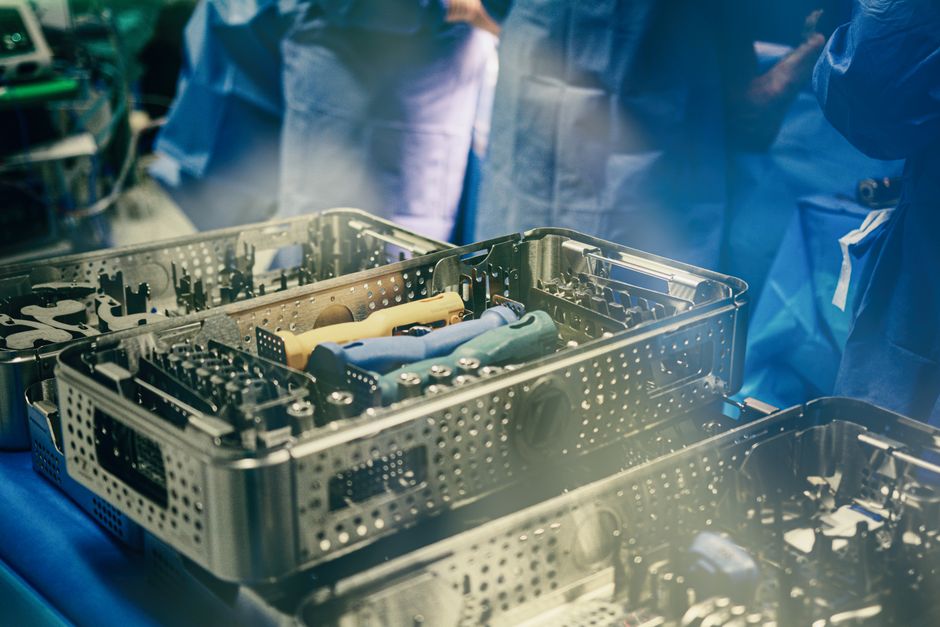
Sterile processing technicians work in a hospital department often called SPD (sterile processing department). When surgeons finish an operation, the used instruments come to you. Your job is to make them safe again, step by step:
- Decontamination: washing blood, tissue, and debris off instruments, usually while wearing a gown, gloves, and face shield.
- Inspection and tray assembly: checking each instrument and arranging it into the correct set for a specific surgery.
- Sterilization: running trays through an autoclave, a machine that uses pressurized steam to kill microbes.
- Following the IFU: the IFU (instructions for use) is the manufacturer's written directions for cleaning and sterilizing each device. Technicians follow it exactly.
The honest downsides: you stand for most of a shift, the decontamination area can be hot and damp under protective gear, and many hospitals run SPD around the clock, so nights, weekends, and holidays are common. The work is repetitive and detail-heavy. Pay varies by city and employer, so look at current job postings in your area rather than relying on a single number.
What SPTs Should Know or Do
If this career is on your radar, here is how to approach it:
- Ask every program the same questions. How long does it take? Is it in person, online, or both? Does it prepare you for a national certification exam? Does it share first-time pass rates and job placement numbers?
- Learn the two main certifications. The CRCST comes from HSPA, and the CSPDT comes from CBSPD. Many employers prefer or ask for one of them, so check postings near you.
- Understand the hands-on piece. HSPA requires hands-on experience in addition to passing the exam. Check hspa.net for the current requirements.
- Talk to people who do the job. Ask a working technician what a normal shift feels like, including the parts they like least.
- Check your local job market. Look at hospitals and surgery centers near you, and see what they list for pay, shifts, and certification.
The Bottom Line
The Houston story is a small signal of something bigger: sterile processing is a real, trainable career with a clear entry point, and it does not require a college degree. It is also physical, detail-driven work with shifts that are not always convenient. If that sounds manageable, it is worth a closer look.
Advance Your SPT Career
Sevy SPD has trained 2,600+ graduates for the CRCST and CSPDT exams, with a 91% first-time exam pass rate and an 85% job placement rate. The program runs 9 weeks: a free Orientation Week plus 8 weeks of coursework. You can attend in person at the Chicago Urban League Empowerment Center in Chicago, join live on Zoom, or go fully self-paced. Your course completion certificate satisfies the education requirement to sit for both exams. Learn more at sevyspd.com.
Topics:
Sources
For more information or to validate the content above, see the original source:
Fortis College prepares Houston students for careers in Sterile Processing - Click2HoustonReady to Advance Your SPT Career?
Join 2,643+ graduates who prepared for their CRCST and CSPDT certifications with Sevy SPD.
Start Your Training Today →