Sterile Processing Technician Job Outlook: Why Demand Is Growing
The sterile processing technician job outlook is strong, driven by rising surgical volume, retiring workers, and tightening state certification rules.
The sterile processing technician job outlook is strong right now. Hospitals and surgery centers are doing more procedures than they have staff to support, a large share of current sterile processing workers are nearing retirement, and more states are now requiring formal certification to do the job — which shrinks the pool of people who legally qualify. Together, these three forces mean hospitals in many regions are posting openings faster than they can fill them.
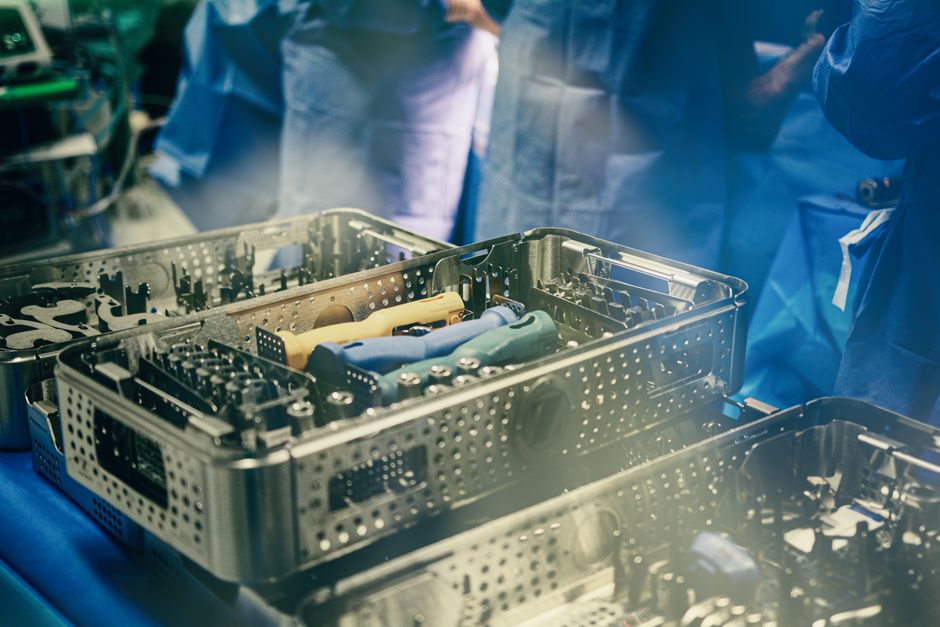
If you've never heard the term before: a sterile processing technician (sometimes called an SPT, or working in "SPD," the sterile processing department) is the person who cleans, inspects, and sterilizes the surgical instruments a hospital uses in every operation — scalpels, scopes, trays of clamps — so they're safe to use on the next patient. No surgery happens without this work getting done first.
Quick answer
- Demand driver #1: Surgical volume keeps climbing as outpatient surgery centers expand and procedures that once required overnight stays move to same-day formats.
- Demand driver #2: A sizable portion of the current SPD workforce is at or near retirement age, and replacements aren't entering fast enough.
- Demand driver #3: More states and hospital systems now require CRCST (Certified Registered Central Service Technician, through HSPA) or CSPDT (through CBSPD) certification before you can work, which narrows the applicant pool.
- Result: Many facilities carry unfilled SPD positions for months, and postings often note openings across multiple shifts.
- Entry point: You don't need a college degree — most employers want a high school diploma or GED plus a certification exam pass, which you can prepare for in a matter of weeks, not years.
Why is surgical volume going up?
Surgical volume is rising because more procedures that used to require hospital admission are now done same-day, and the population getting those procedures is growing. Outpatient surgery centers — standalone clinics that handle things like cataract surgery, colonoscopies, and orthopedic scopes — have expanded significantly over the past decade, and each one needs its own sterile processing function, even if it's a small one.
At the same time, an aging general population tends to need more joint replacements, cardiac procedures, and other surgeries that come with age. More surgeries scheduled means more instrument trays that need to be decontaminated (the first wash step that removes blood and tissue), inspected, and run through an autoclave (the high-heat, high-pressure machine that sterilizes instruments) before the next case can start. Every one of those trays needs a trained person behind it.
Why is the current workforce shrinking?
A meaningful share of sterile processing technicians working today entered the field decades ago, and they're aging out of the workforce faster than new technicians are coming in. Unlike nursing or surgical tech roles, sterile processing hasn't historically had the same visibility or pipeline of dedicated training programs, so fewer people know the job exists until they stumble across it — often from a hospital job posting or word of mouth.
That gap matters because SPD is not a role you can staff with a quick on-the-job crash course anymore in most facilities. The work carries real patient-safety weight: a missed step in cleaning or sterilizing an instrument can lead to a surgical site infection. Hospitals increasingly want technicians who already understand the standards before they're handed a tray, which means they're hiring for certification, not just willingness to learn.
Why are states requiring certification now?
More states are requiring CRCST or CSPDT certification because sterile processing errors have been directly linked to patient infections, and regulators want a documented standard of competency before someone handles surgical instruments unsupervised. A handful of states have already passed laws mandating certification for SPD technicians, and hospital accreditation bodies have been pushing in the same direction even in states without a legal requirement.
This raises the bar for new hires, but it also works in your favor as a job seeker. Because fewer uncertified workers are eligible to fill these roles, employers compete harder for candidates who walk in already certified or certification-ready. A completed CRCST or CSPDT is increasingly treated as a baseline requirement rather than a nice-to-have, similar to how a food handler's card works in restaurants — except with much higher stakes and much better pay potential.
Why do SPD openings stay unfilled for so long?
SPD openings often stay open for months because the pool of certified, work-ready applicants is smaller than the number of open shifts hospitals need to cover. Sterile processing departments typically run close to around the clock — early mornings for the first surgical cases, days, evenings, and often an overnight shift to keep emergency surgeries supplied — and each shift needs qualified coverage, not just a warm body.
Hospitals also can't shortcut this hire. Because instrument sterilization errors carry real liability and patient-safety consequences, many facilities would rather leave a position open than fill it with someone who hasn't demonstrated the required knowledge. That's part of why certification-ready candidates often move through hiring faster than people applying with no SPD background at all. You can see what current demand looks like firsthand by browsing open sterile processing roles in your area.
What does the career path actually look like?
Most sterile processing technicians start as an entry-level tech in a hospital or surgery center SPD, handling decontamination and basic instrument sorting, then move into higher-responsibility roles like case cart assembly, endoscope reprocessing, or inventory and instrument tracking as they gain experience. From there, some technicians move into lead tech, supervisor, or educator roles within the department.
Here's a rough shape of how the role typically progresses:
| Stage | Typical responsibilities | What usually gets you there |
|---|---|---|
| Entry-level SPT | Decontamination, basic sterilization, tray assembly | CRCST or CSPDT certification, on-the-job orientation |
| Experienced SPT | Endoscope reprocessing, case cart prep, quality checks | 1-3 years hands-on experience, sometimes a specialty certification |
| Lead Tech / Supervisor | Scheduling, training new hires, department compliance | Several years of experience, sometimes a management credential |
Posted salaries in the Chicago area typically range depending on facility, shift, and experience level, with hospitals and higher-volume surgery centers generally paying more than smaller outpatient clinics. Because this is a role with real variation by employer and region, it's worth checking current local postings rather than relying on a single national number.
Do I need a degree to get started?
No — most employers require a high school diploma or GED, not a college degree, plus proof that you've passed (or are actively working toward) a recognized certification exam like the CRCST or CSPDT. This is one of the reasons the field attracts career changers from retail, food service, warehouse work, and caregiving: the barrier to entry is a certification exam, not years of tuition.
That said, "no degree required" doesn't mean "no preparation required." The exams cover real clinical and technical material — the Spaulding classification (a system for deciding how an instrument needs to be cleaned based on what it touches in the body), instrument identification, sterilization cycles, and infection control standards. Employers want to see that you've actually learned this, not just signed up for a test.
How fast can I actually get into this field?
You can typically get from zero healthcare background to certification-ready in a couple of months, since most sterile processing training programs are built to run in weeks, not semesters. Our 9-week course — a free orientation week followed by 8 weeks of coursework — is designed around that reality: you can take it in person in Chicago, live on Zoom, or fully self-paced, depending on what fits your schedule.
That compressed timeline is part of why this field appeals to people making a fast career change. You're not signing up for a two-year associate's degree before you can even apply for your first job. You're preparing for an exam, passing it, and then walking into interviews with a credential hospitals are actively looking for.
Is the work itself hard?
Yes, and it's worth being honest about that before you commit. Sterile processing is physical work — you're on your feet for most of a shift, often in a department that runs hot because of the sterilizers, and many entry-level roles start on evening or overnight shifts since surgeries run all day and instruments need to be ready for the next morning. The pace during peak hours can be intense, with trays needing fast turnaround between cases.
It's also detail-heavy work where mistakes have real consequences, which is exactly why the field is tightening its certification requirements. If you're someone who's comfortable following precise, repeatable processes and doesn't mind a physically active job, the tradeoffs tend to be manageable — especially next to the relatively short training timeline and the current demand for certified workers.
Ready to start?
If the demand drivers above sound like a door opening rather than a wall, the next step is simple: get certification-ready. Take a look at our 9-week course to see how the schedule works, or browse current sterile processing openings to get a feel for what employers in your area are hiring for right now.
Topics:
Ready to Advance Your SPT Career?
Join 2,639+ graduates who prepared for their CRCST and CSPDT certifications with Sevy SPD.
Start Your Training Today →