CRCST vs CSPDT: Which One Should You Get?
CRCST and CSPDT are both entry-level sterile processing certifications. Here's how they differ and which one to choose.
Industry updates, certification tips, and career resources for SPT professionals.
Subscribe via RSSShowing 17–24 of 53 articles
CRCST and CSPDT are both entry-level sterile processing certifications. Here's how they differ and which one to choose.
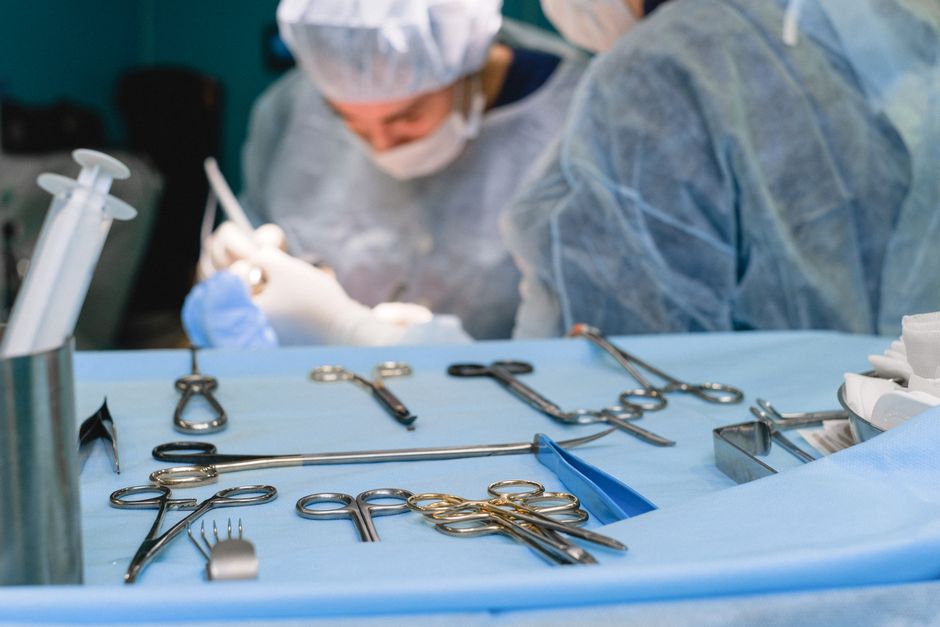
Coursework takes about 9 weeks. Add 400 clinical hours and exam prep, and most people are certified and job-ready in 3 to 6 months.
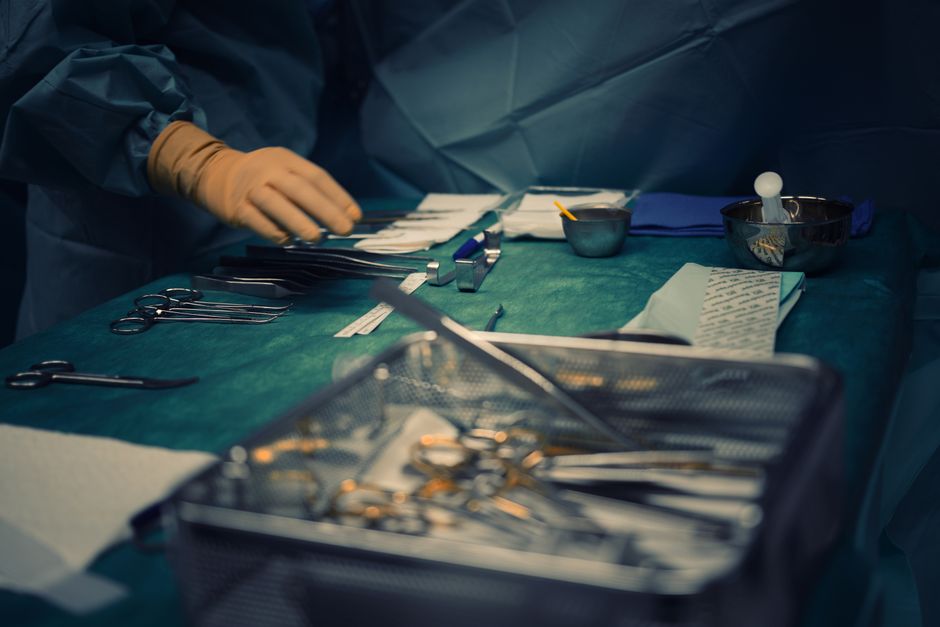
A sterile processing technician cleans, inspects, assembles, and sterilizes surgical instruments for hospitals. Here's what a real shift looks like, start to finish.
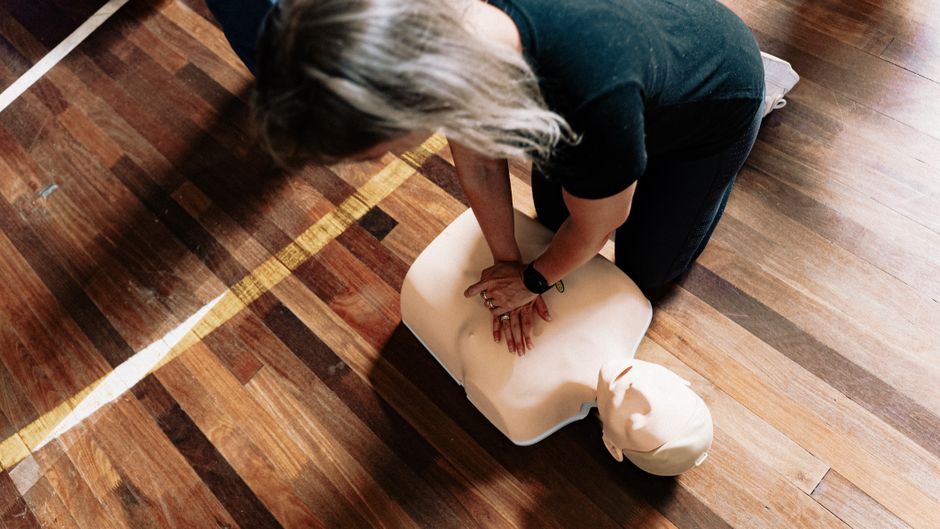
CRCST requirements: a high school diploma, an education component, 400 hands-on hours, and a passing exam score. Here's how the pieces fit together.
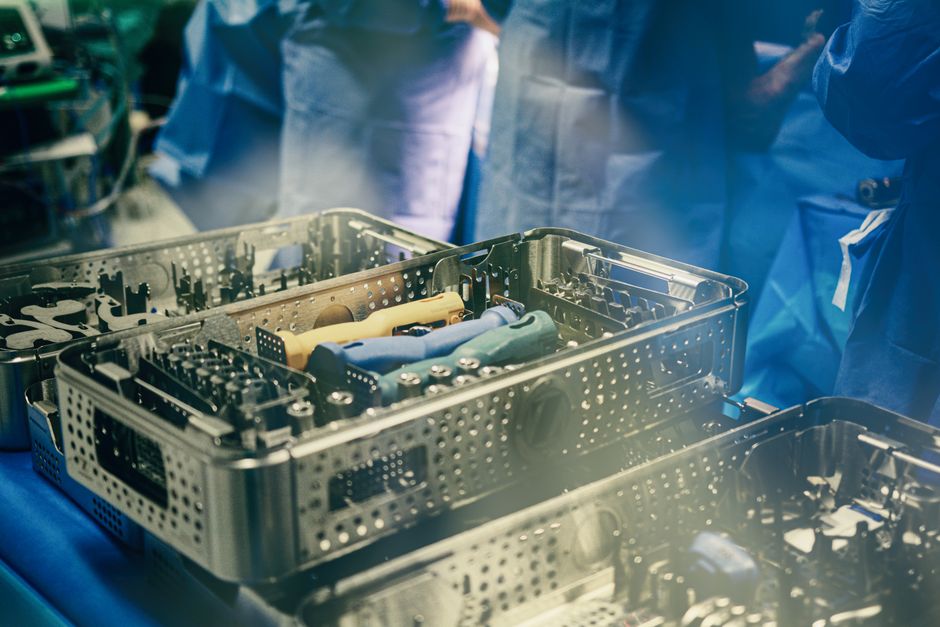
Entry-level sterile processing techs typically earn $16-$22/hr. Here's how certification, shift, and experience change that number.
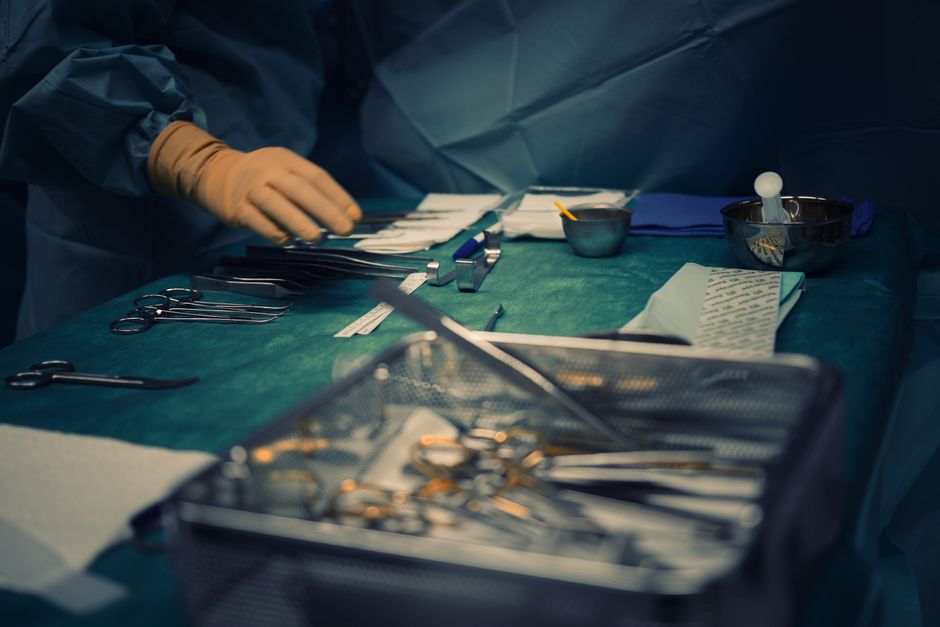
Become a sterile processing technician in about 2-4 months by completing training, passing a certification exam, and applying to hospitals or surgery centers.
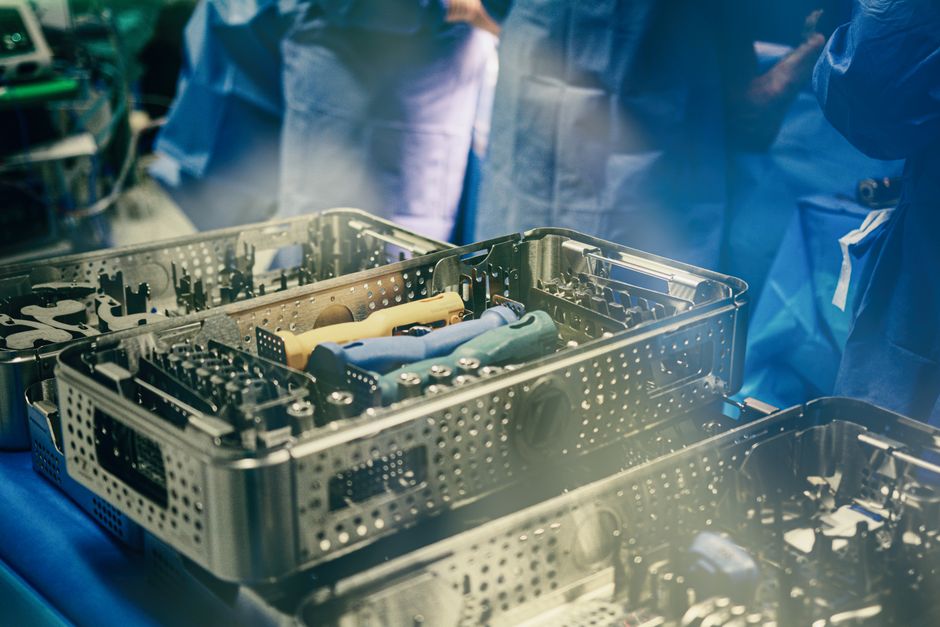
Hospitals are increasingly turning to medical device reprocessing to cut costs and reduce waste. Here's what SPTs need to know about this growing trend.
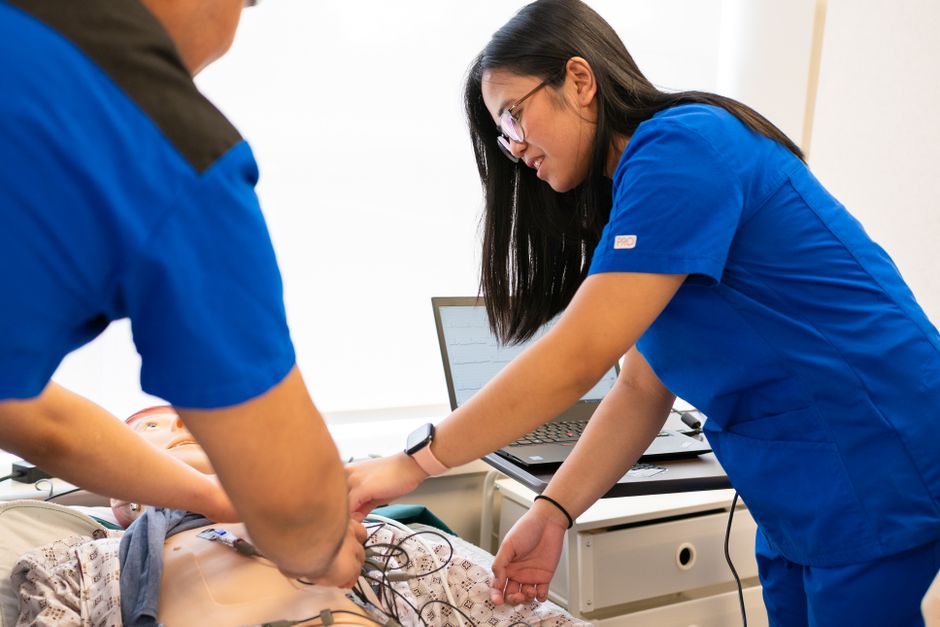
Capital Region BOCES is launching a new adult Sterile Processing Tech class this fall. Here's why new training pipelines matter for the entire SPD profession.