Sterile Processing Technician Job Outlook: Why Demand Is Growing
The sterile processing technician job outlook is strong, driven by rising surgical volume, retiring workers, and tightening state certification rules.
Industry updates, certification tips, and career resources for SPT professionals.
Subscribe via RSSShowing 9–16 of 53 articles
The sterile processing technician job outlook is strong, driven by rising surgical volume, retiring workers, and tightening state certification rules.
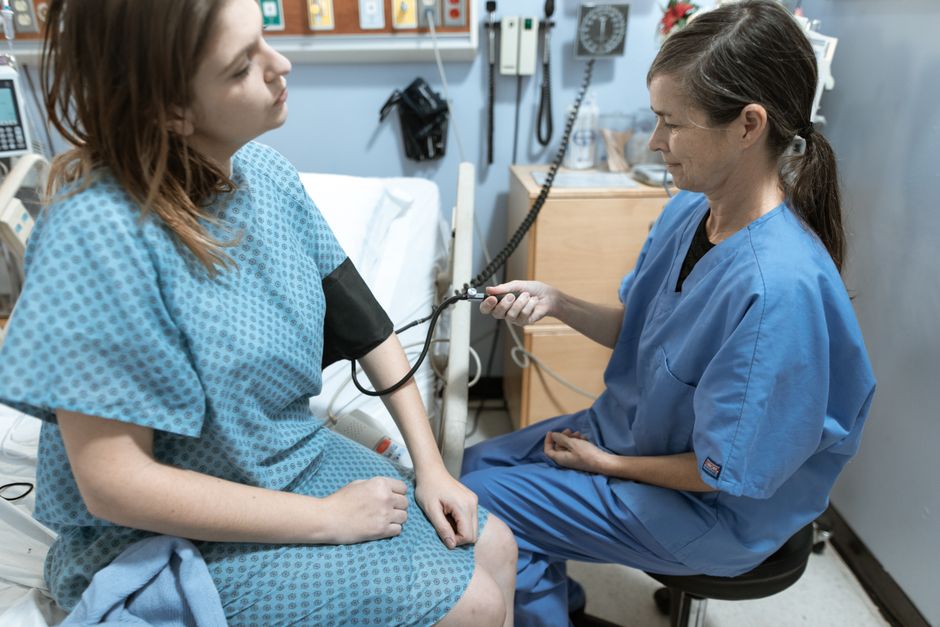
Sterilization kills every microorganism, including spores; disinfection kills most but not all. Which one a medical instrument needs depends on where it's used in the body.
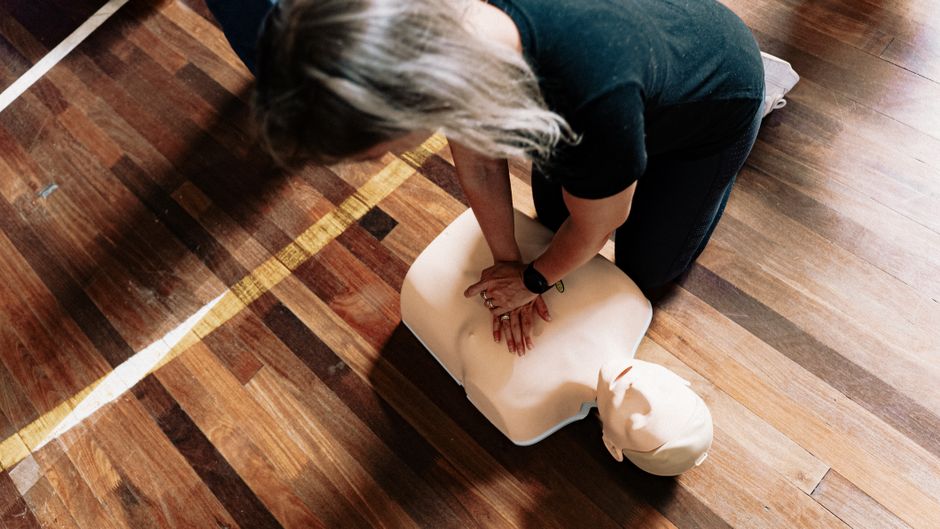
The CRCST exam is moderately hard — 150 questions in 3 hours, 70% to pass. Here's what trips people up and how to prepare.

No, you don't need a college degree to become a sterile processing technician. You need a high school diploma or GED, a short training program, and a certification exam.
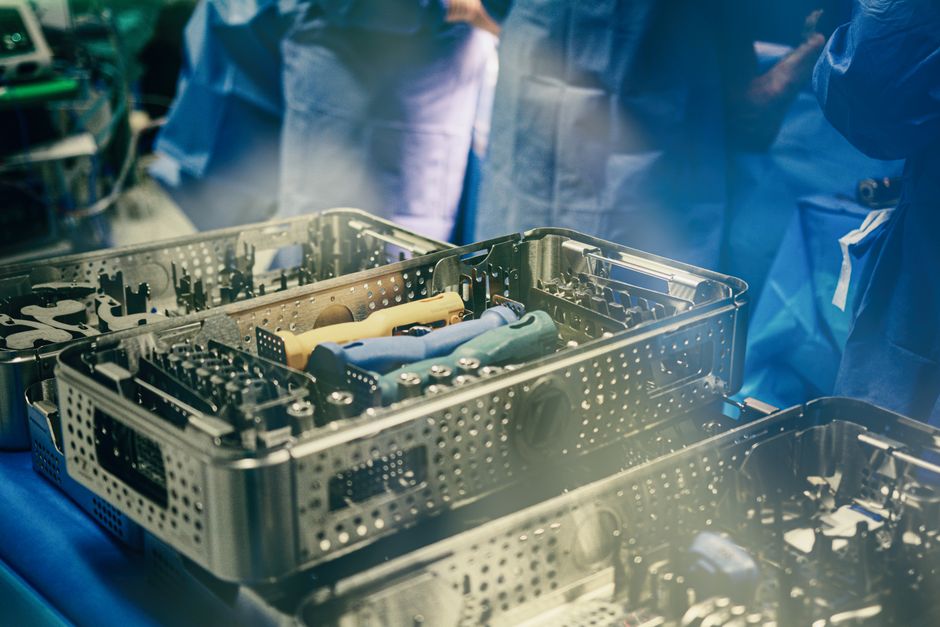
You can get a sterile processing job with no experience by completing a short training program, using the right job titles in your search, and applying while you're still studying for certification.
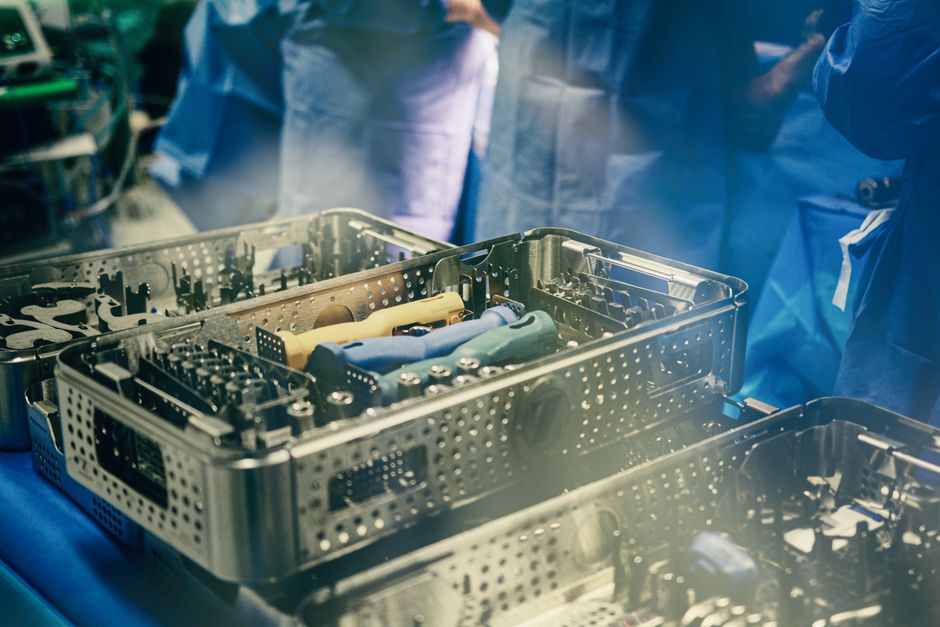
Sterile processing techs clean and sterilize surgical tools behind the scenes; surgical techs work chairside in the OR. Compare training, pay, and daily work here.
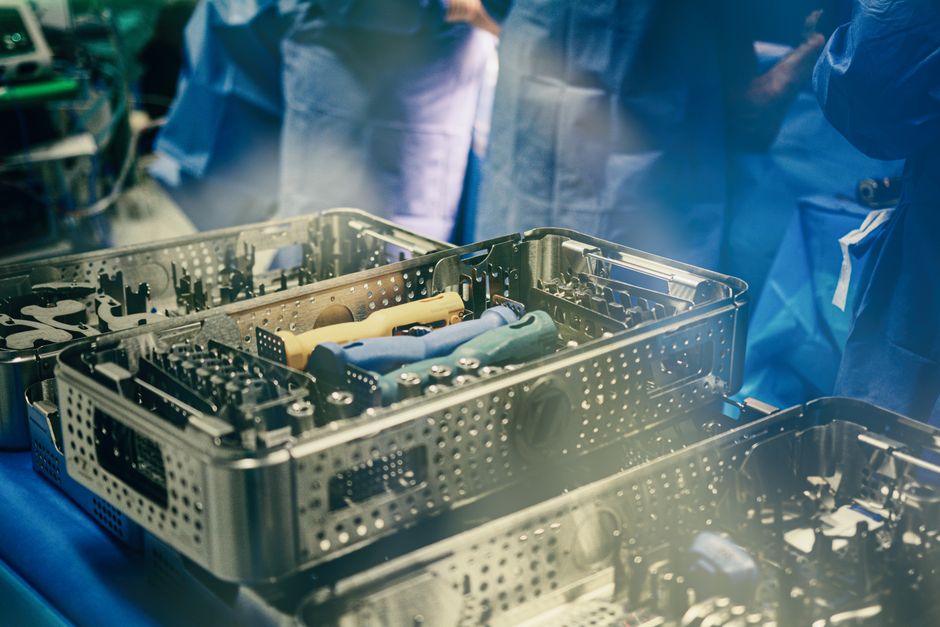
Sterile processing technician training costs vary by school. Here's the real breakdown: tuition, textbook, exam fees, and what's optional.
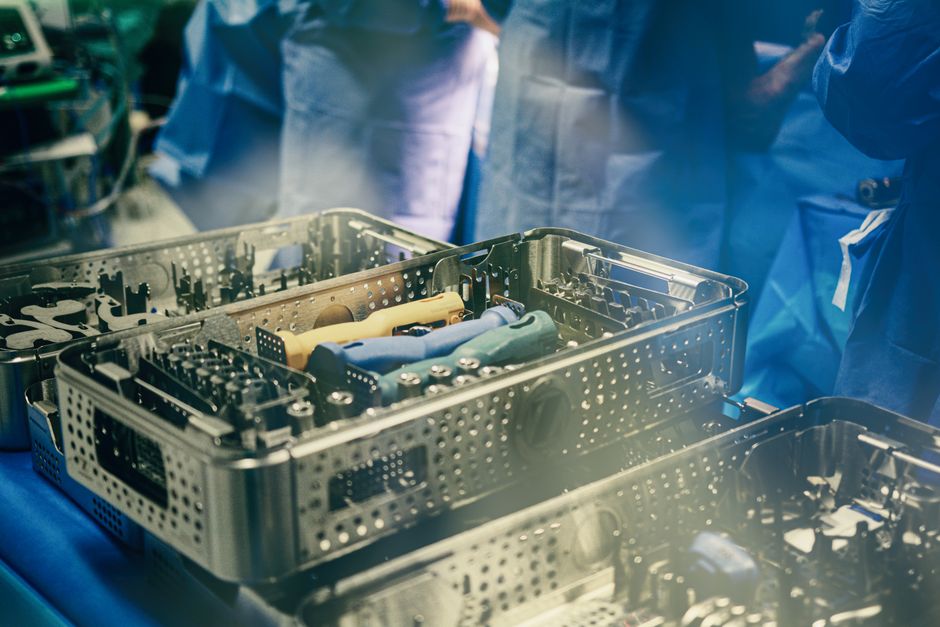
Sterile processing offers steady demand and short training, but the work is physical and often behind the scenes. Here's the honest breakdown.